
Astrophysics
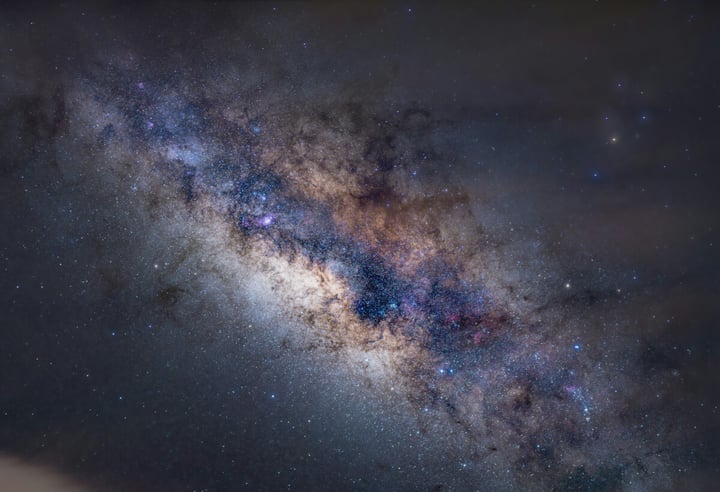
Astrophysics and also recent research related to astrophysics.
Articles

Telescope (Part-One); General Background
With many revisions and modifications, from the inventors and the scientific community, the commercial production of the telescope began in 1758 by John Dollond.
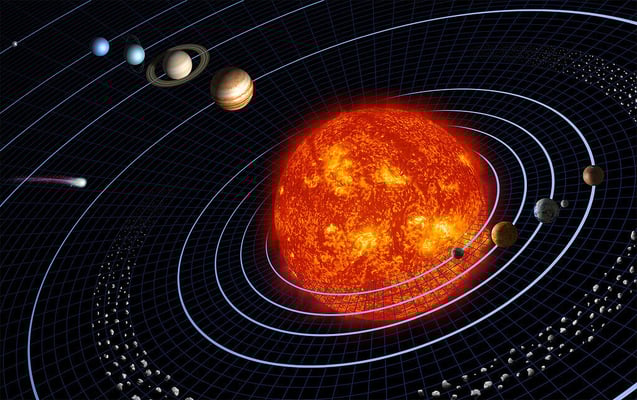
Strange Planets in the Universe (Part-One)
NASA has established 4,164 exoplanets with 5,220 candidates and 3,085 planetary systems.
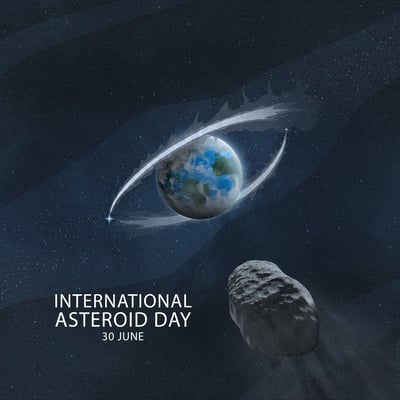
Do You Know, Today, June 30 is International Asteroid Day?
Asteroid Day was first co-founded by scientific community including astrophysicist and lead guitarist of music band QUEEN- Dr. Brian May including President of B612 Foundation- Danica Remy, Apollo 9 Astronaut- Rusty Schweickart, and filmmaker- Grig Richters in 2014.
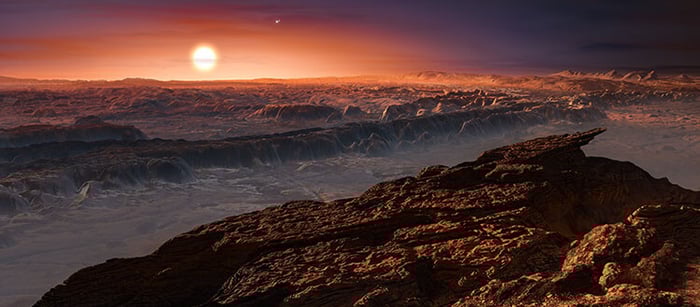
Earth-like Planet Around our Nearest Star
Astrophysicists consider the ability of Proxima Centauri b (Proxima b) to retain water from its formation as the most crucial point in evaluating the planet's present habitability. Proxima b lies only 4.2 light-years from the Sun.
Speed of Light - A Universal Constant, General Background
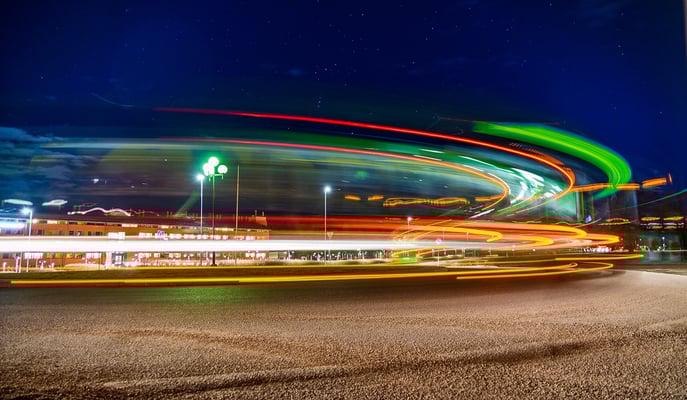
During the beginning of 17th century, almost all consider light as it does not have velocity. In the early period, many also assumed that the light …
Speed of Light; A Universal Constant but is Affected by Curvature of Space-Time
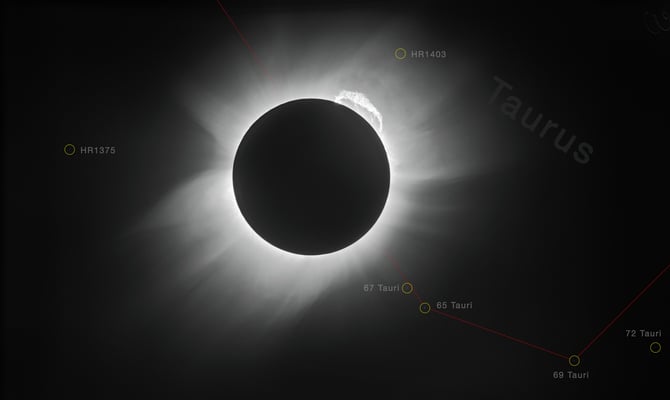
The concept of bending of light by gravity was introduced earlier by Newton. But later Einstein's theory predicts that the curvature of space caused by the Sun's mass should bend starlight twice as much as Newton's principles predict it should.
Big Bang - Origin of The Universe
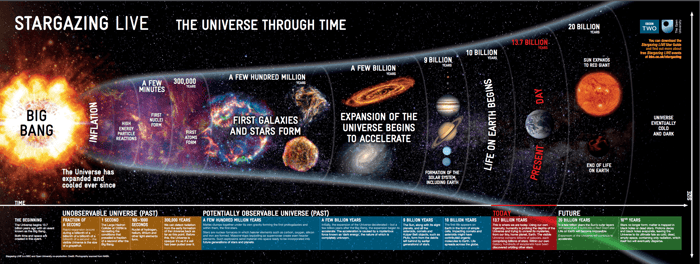
The universe came into its existence, current, through the Big Bang followed by a number of epochs.
Strange Black Holes In The Universe
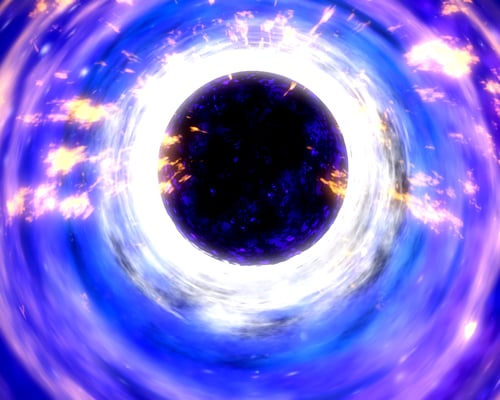
In principle, a black hole can have any mass equal to or above about 2.2×10⁻⁸ kg or 22 micrograms.
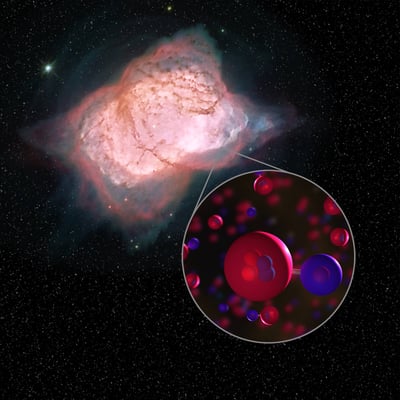
Universe’s First Type of Molecule Spotted
Scientists believe that around 100,000 years after the big bang, helium, and hydrogen combined to make a molecule called helium hydride. Helium hydride is a charged molecule, each made of a neutral helium atom and a positively charged hydrogen atom.
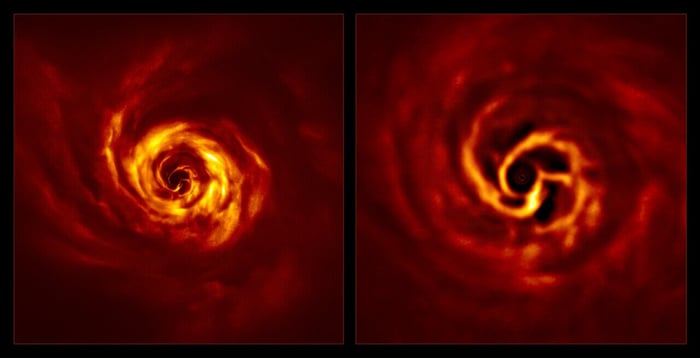
Astronomer Witnessed a Star System Being Born
Using European Southern Observatory’s Very Large Telescope (ESO’s VLT), it seems that astronomers have finally evidenced a planetary system being born in the space.
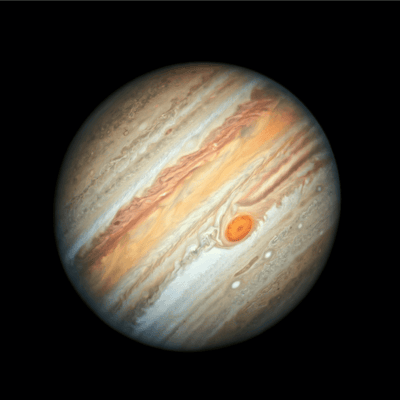
We May Have Missed Extraterrestrial Life
Recent research from Massachusetts Institute of Technology (MIT) buttressed the probability that we may be wrongly looking at them and we may have missed them.
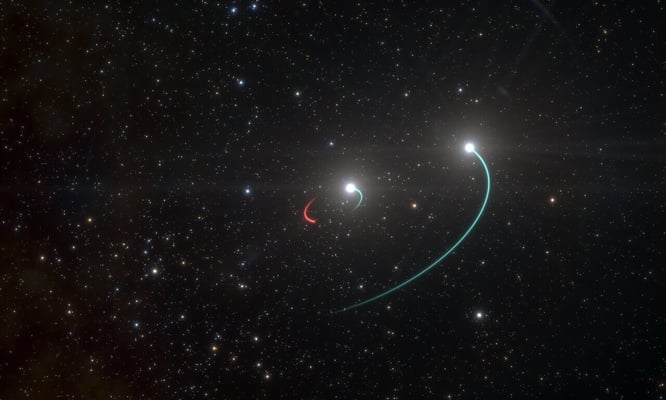
Recently Discovered Black hole is the Closest Black hole from Earth
Astronomers from European Southern Observatory (ESO) and other collaborative institutes discovered a new candidate in their search for the nearest black hole to Earth.
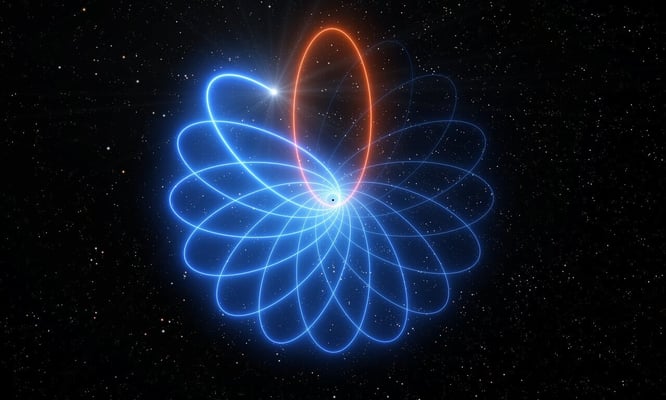
It's Confirmed, Einstein Theory of General Relativity is Still Valid
Researchers are continuously testing Albert Einstein’s General Theory of Relativity. Though the theory of General Relativity passed all the experiments until now these experiments have confirmed the theory of General Relativity in the low-curvature regime and astronomers hopes, one day it will have its test in a vast regime such as a black hole.

Event Horizon, Singularity and Photon Sphere of a Black Hole
Event Horizon was referred to this region because for any object the region of an event horizon is the ultimate wall that they can cross...
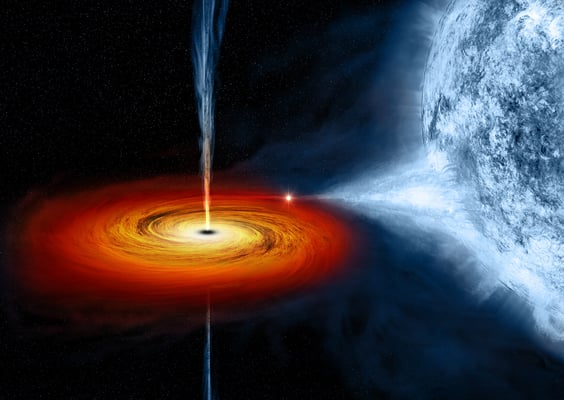
Black Holes: How they work?
A particle or object that is making their journey towards the center or singularity of the black hole may feel varied intense gravitational force depending upon the location relative to the center. And so they feel more and more "spaghettification" effect- spaghettification elongates the object and is used in the sense that it resembles spaghetti.
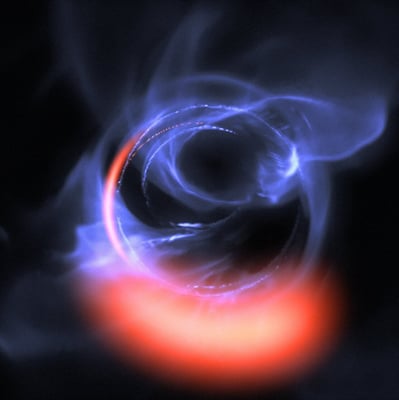
Black Hole at the Center of Milky Way Galaxy, Scientists Confirmed
There has been a long-standing assumption among the researchers that a black hole may exist at the center of the Milky Way galaxy and was not able to observationally verify it.
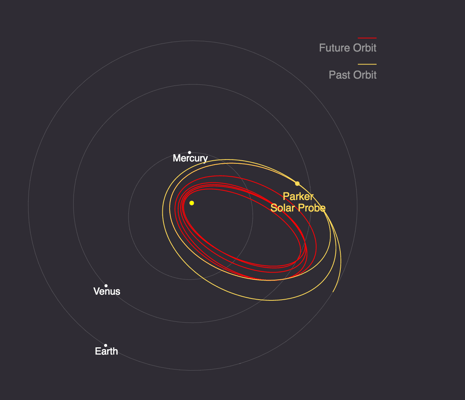
Parker Solar Probe (Part-Three); Where is the Probe and What is its Trajectory
Currently, 3:24 AM, EDT, May 13, 2020, the Parker Solar Probe spacecraft is traveling at the speed of 117,576 kph, at a distance of 92,974,452 km from the Sun’s surface. At this distance, the Heat Shield Temperature is 125.3°C.
Parker Solar Probe (Part-Two); Why we need to study so much about the Sun and what are the missions assigned to the Parker Solar Probe?
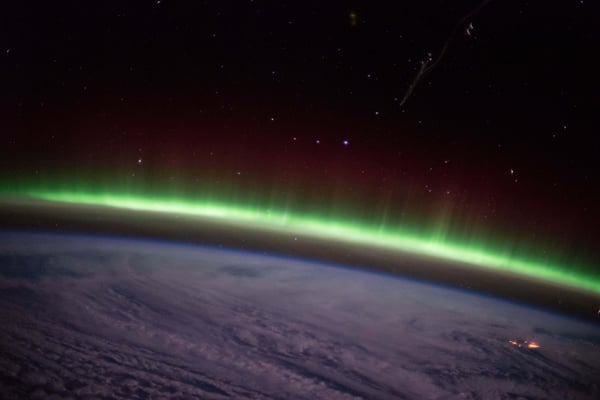
A stream of energized, charged particles, primarily electrons, and protons flows continuously outward from the Sun through the solar system at speeds as high as 900 km/s are known as the solar wind. The solar wind is made of plasma. These plasma particles travel all the way from the Sun and also hit the Earth’s atmosphere.
Parker Solar Probe (Part-One); A Spacecraft to the Sun
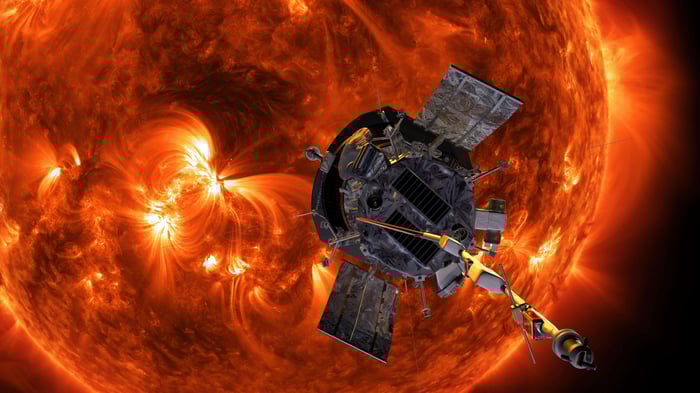
With a mission to study the trace of energy that heats the corona and accelerates the solar wind, on August 12, 2018, space mission named Parker Solar Probe was launched from the lunch site Cape Canaveral, SLC37 using the Delta IV Heavy rocket.
Black Hole; A Mysterious Region in Space
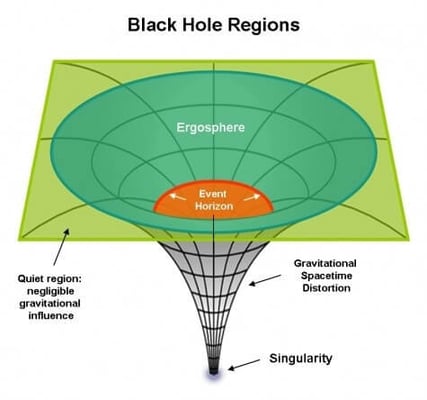
A black hole is a region in a space where the gravitational pull is so strong that no object, even electromagnetic radiation like light can not escape from the region. The boundary of the region from where nothing can escape is called an event horizon.