
Tag: #Astrophysics
Articles tagged with #Astrophysics
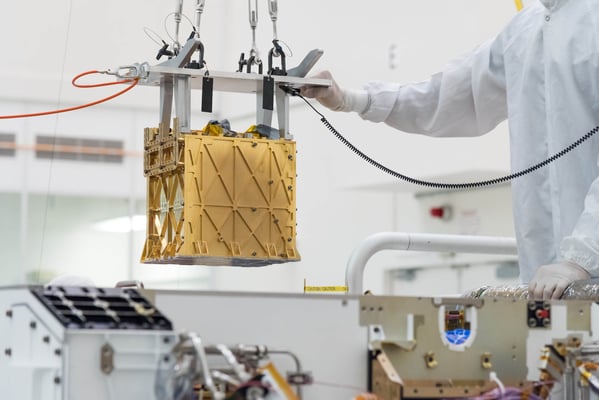
The Mars Oxygen In-Situ Resource Utilization Experiment (MOXIE) Converts Carbon dioxide Into Usable Oxygen
Technicians in the cleanroom at NASA's Jet Propulsion Laboratory, in Pasadena, California carefully lowering the Mars Oxygen In-Situ Resource Utilization …
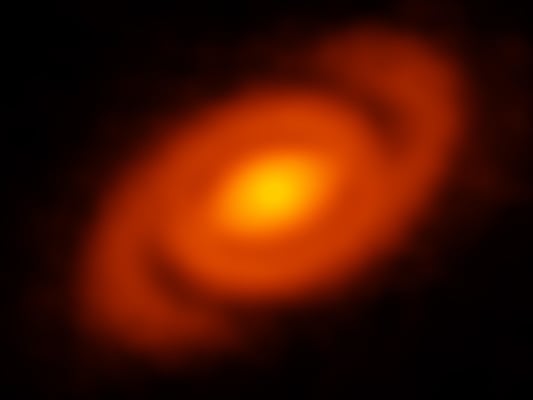
Density Wave Theory of Spiral Arms
In a simpler example, they describe it as the cars move through the traffic jam: the density of cars increases in the middle of traffic jam itself, however, moves more slowly.
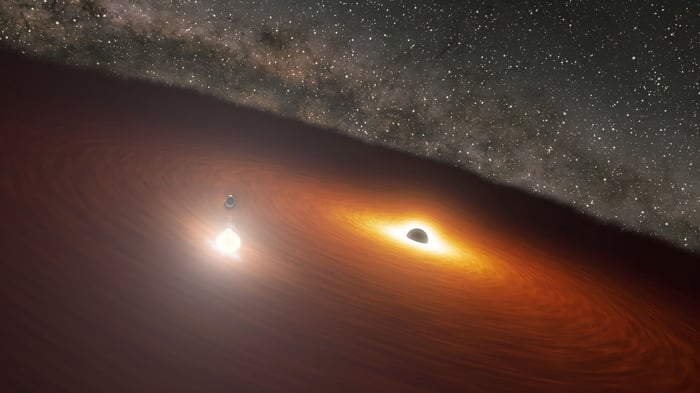
Precise Timing of A Black Hole Dance Captured by NASA’s Spitzer Space Telescope
Black holes have long been a mysterious and a special topic for astronomers and also to the layman. This mysterious region in space can not be seen directly …
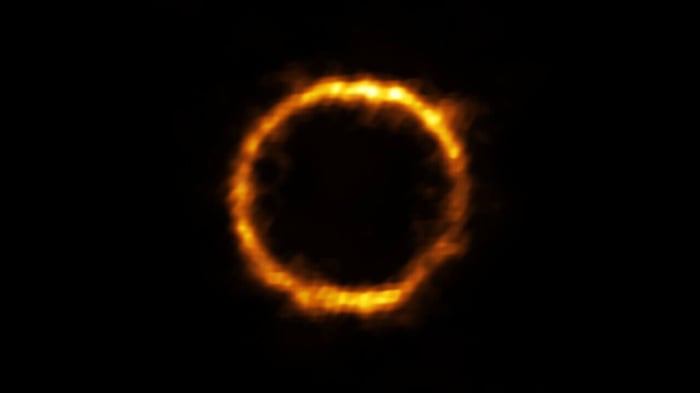
A Galaxy at 12 Billion Light-Years Away Looks Like Our Milky Way
This signifies that we see it as it was when the universe was just 1.4 billion years old. This is the fascination of astronomical technique and observation.
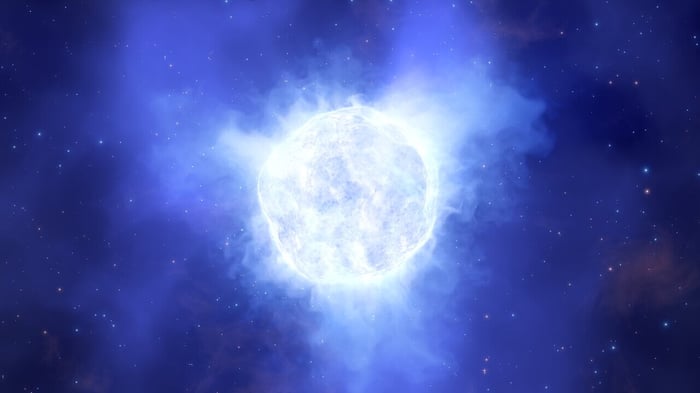
A Star Just Collapsed to Form a Black Hole
As the traces are absent from the data of 2019 and are available in the older, astronomers wonder what had happened to the star.
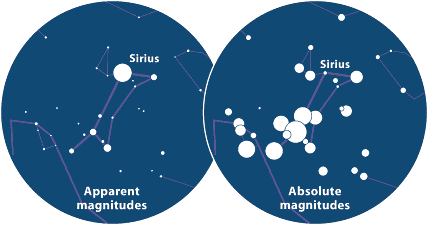
Stellar Magnitude
Stellar magnitude is a way to measure the brightness of stars. Though the brightness of the star varies depending ion its chemical composition and its …
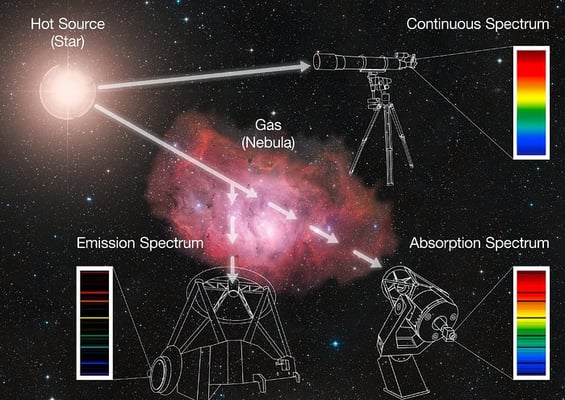
Spectroscopy, its Use and Working
First, light from the objects travels to a collimating mirror from a telescope through a small opening in the spectrograph. Collimating mirrors are lines
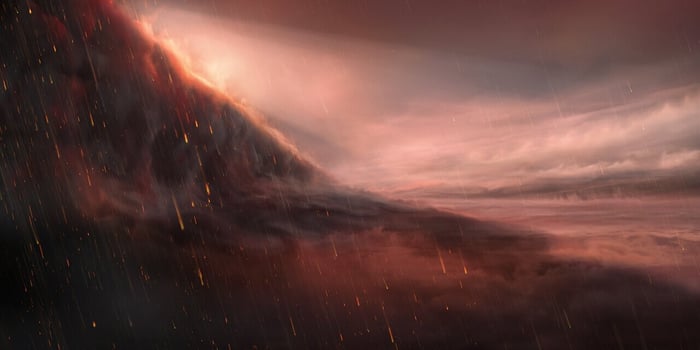
Planet WASP-76b Rains Iron and Here is Why
Astronomers using European Southern Observatory’s (ESO) telescope - Very Large Telescope (VLT) observed an exoplanet, WASP-76b where it rains iron on its atmosphere like it rains water (H2O) in our planet- Earth.
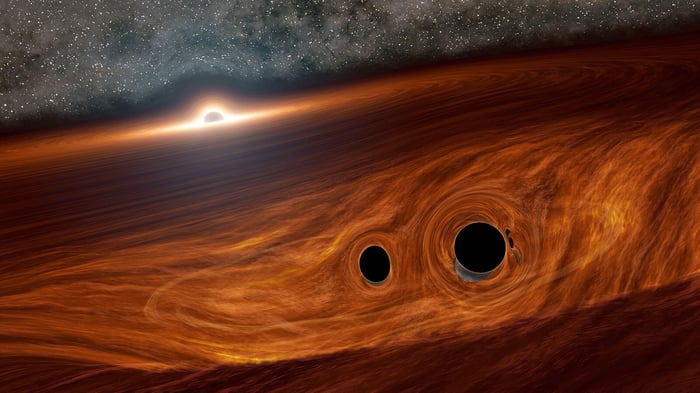
Astronomers Captured Light from a Black Hole Coalescence
After 100 years of the Einsteins calculation and prediction of the gravitational waves, astronomers from the LIGO and Virgo collaborations finally …
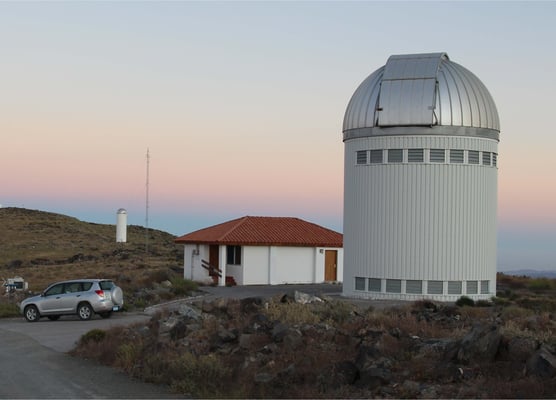
Gravitational Microlensing for Detecting Exoplanets
After astronomers, Aleksander Wolszczan and Dale Frail announced (also published) the discovery of two planets orbiting the pulsar PSR 1257+12 for the first …
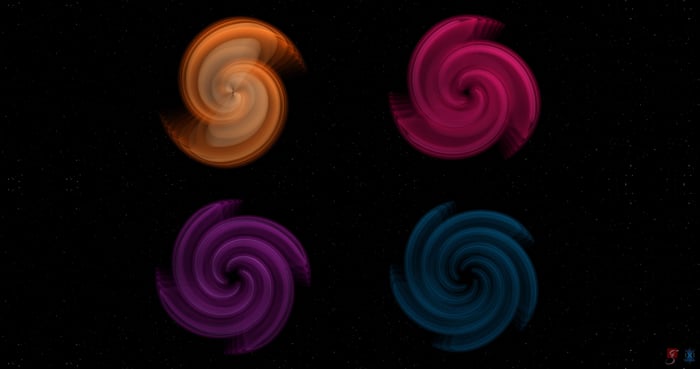
One More Weird Gravitational Wave from Space
Recently all LIGO facilities were fitted with high detection technology called the Quantum-enhanced system to increase the sensitivity of all three observatories.
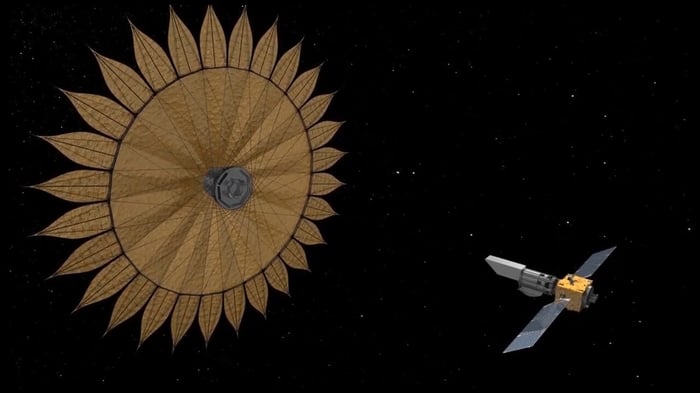
Direct Imaging Method for Detecting the Exoplanets
This artist's concept shows the geometry of a space telescope aligned with a starshade, a technology used to block starlight in order to reveal the presence …
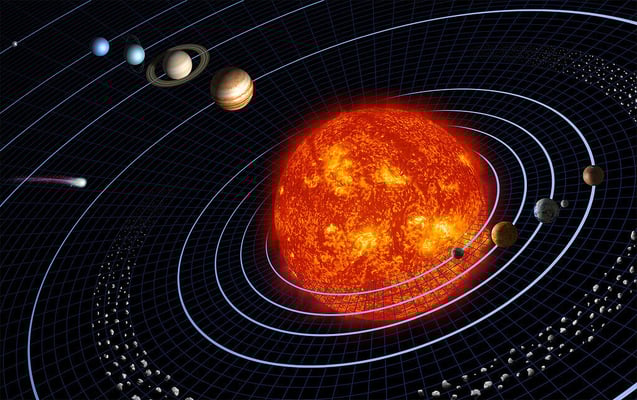
Strange Planets in the Universe (Part-Two)
Among those exoplanets, an exoplanet called TrES-4b, discovered in 2006 and announced in 2007, is considered one of the largest exoplanets ever found in the universe.
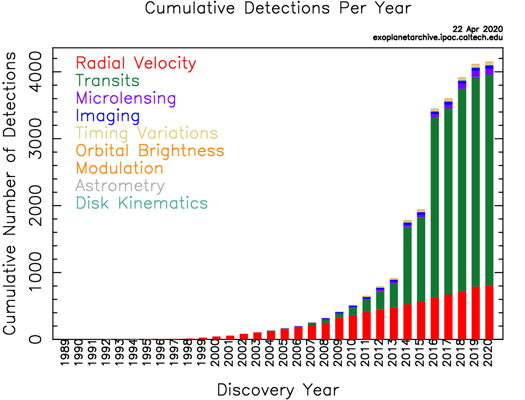
Transit Photometry Method for Finding the Exoplanets
In addition to providing an estimation of planet diameters, and the atmospheric composition of the exoplanets, this transit photometry search can operate on a massive scale.
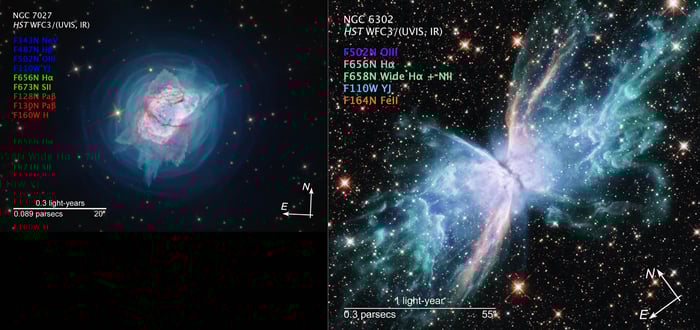
Violent Death of Star Captured by Hubble
Earlier in May 2020, astronomers witnessed a star system being born, though appear as previously predicted model of the star formation, that observation was utterly a surprising scene and now a team of astronomers using Hubble Space Telescope witnessed a violent death of the star (planetary nebula stage - a stage in the evolution of star).
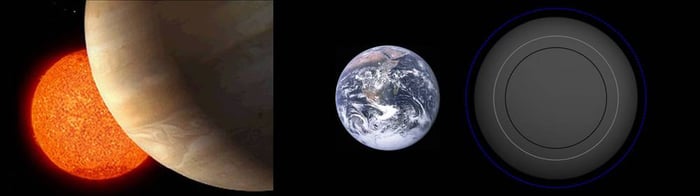
Radial Velocity Method or Doppler Spectroscopy for Finding the Exoplanets
Due to the gravitational field of the massive object, the smaller massive object will revolve around the more massive object but you may have not noticed that the less massive object also interferes with the orbit of the more massive object but they do in practice.
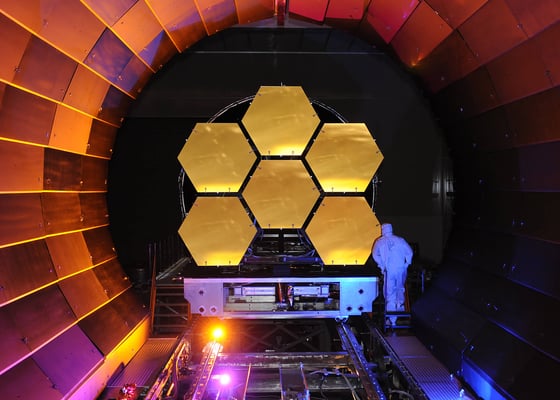
Telescope (Part-Two); Types of Telescopes for Astronomy
Though Kepler telescope has faced a severe malfunction (on its four reaction wheels) during its designed mission and has almost loosed the stability, engineers didn’t just terminate the mission but devised a remarkable solution and used the pressure of sunlight to stabilize the spacecraft so it could continue to do science.
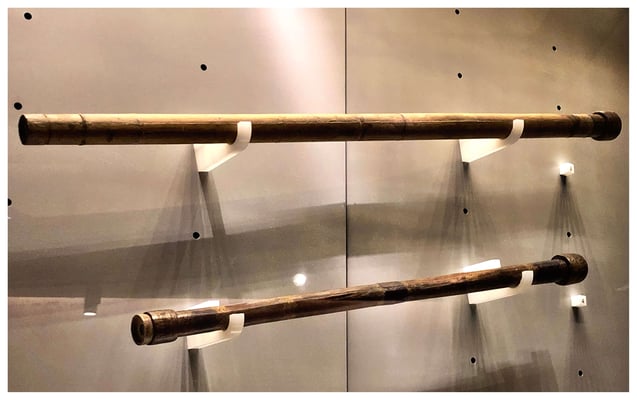
Telescope (Part-One); General Background
With many revisions and modifications, from the inventors and the scientific community, the commercial production of the telescope began in 1758 by John Dollond.
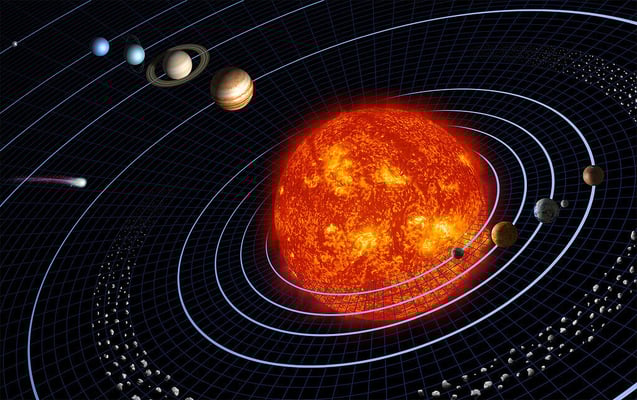
Strange Planets in the Universe (Part-One)
NASA has established 4,164 exoplanets with 5,220 candidates and 3,085 planetary systems.
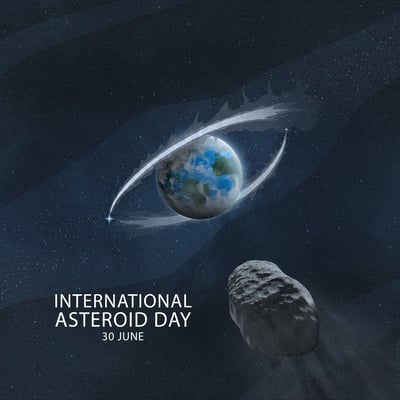
Do You Know, Today, June 30 is International Asteroid Day?
Asteroid Day was first co-founded by scientific community including astrophysicist and lead guitarist of music band QUEEN- Dr. Brian May including President of B612 Foundation- Danica Remy, Apollo 9 Astronaut- Rusty Schweickart, and filmmaker- Grig Richters in 2014.